The Federal Filing Reality: A 2026 Guide for U.S. Expat Taxes
Why Filing Still Matters Abroad #
Living overseas doesn’t exempt U.S. citizens and Green Card holders from federal tax obligations.
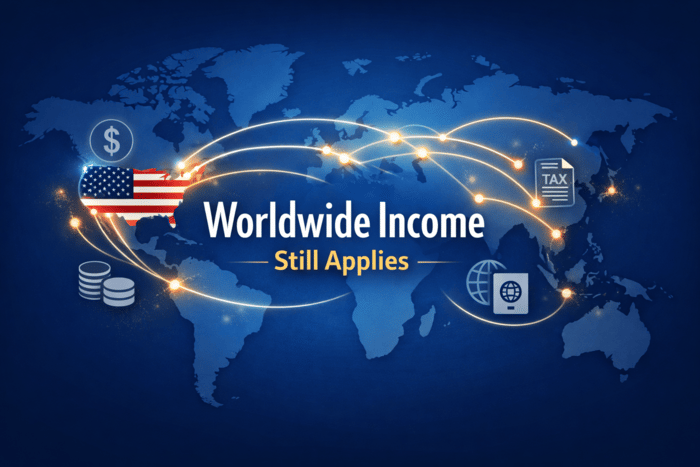
Under citizenship-based taxation, your worldwide income remains reportable regardless of where you reside. Crucially, filing requirements depend on gross income—not the tax you expect to owe. Even if your liability is minimal or zero, submitting a return is essential to claim exclusions and maintain compliance. Missing this step can quietly expose you to penalties and long-term scrutiny.
Smart Strategies to Stay Compliant #
To prevent double taxation, expats rely on two key tools: the Foreign Earned Income Exclusion (FEIE) and the Foreign Tax Credit (FTC). Selecting the right approach depends on your host country and financial profile—making expert guidance invaluable. Additionally, documentation must meet strict IRS standards. Foreign-language records require certified translation Japanese-to-English to be accepted, a commonly overlooked detail that can delay filings or trigger audits.
With multiple deadlines—April for payments, June for filing, and October for extensions—staying organized is critical.
Ready to Simplify Your U.S. Expat Taxes? #
Partner with specialists who understand international compliance and protect your financial future: U.S. Expat Taxes Simplified – Professional Filing for Americans Worldwide